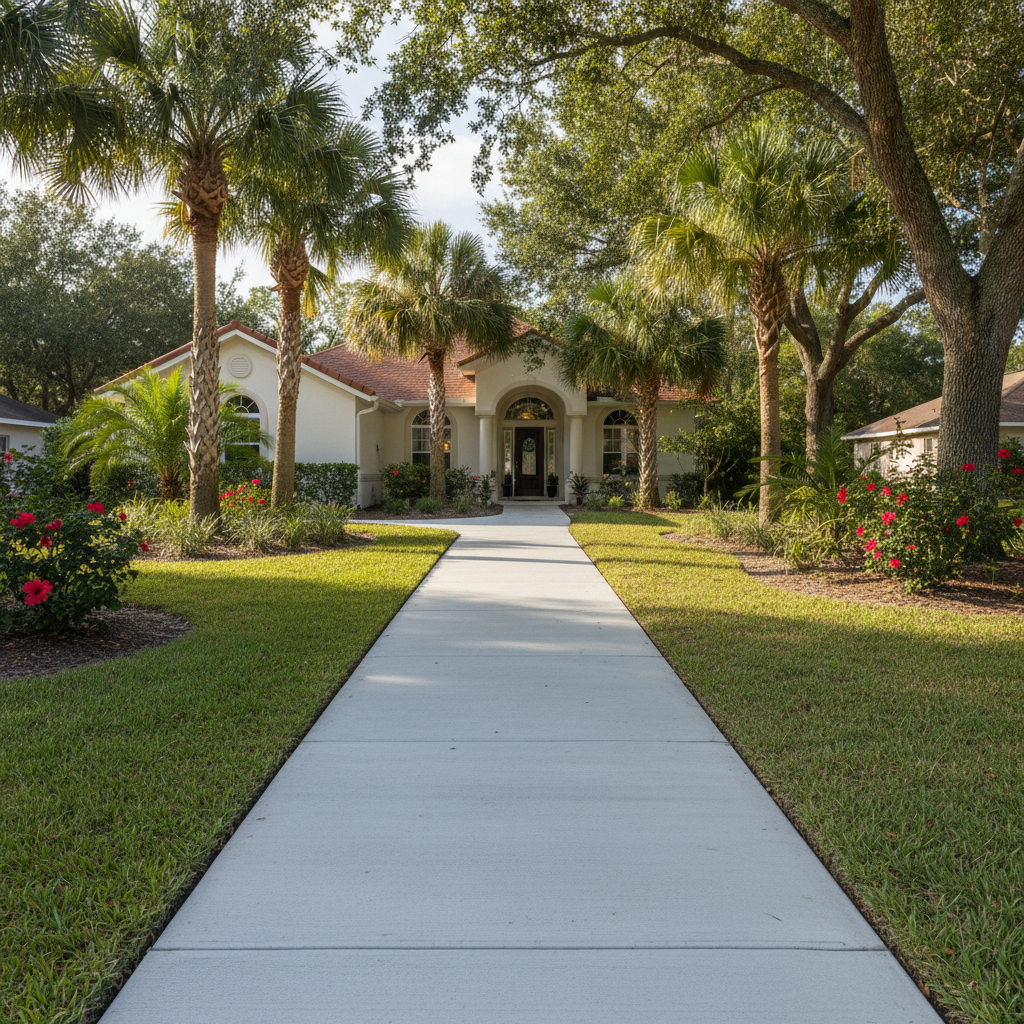
Ever walked down a street and tripped over a cracked, uneven sidewalk? It's more than just annoying; it's a real hazard. Here in Corpus Christi, your concrete sidewalks are constantly battling our unique climate – that intense sun, the humidity, and sometimes even the salty air if you're closer to the bay. Taking care of them isn't just about curb appeal, you know; it's about safety and protecting your property value.
Extend Your Sidewalk's Life: Simple Habits
You want your sidewalks to last, right? A little proactive care goes a long, long way. The biggest thing you can do is keep them clean. Dirt, leaves, and other debris can trap moisture against the concrete, which leads to algae and mildew growth. That stuff doesn't just look bad; it can make the surface slippery and, over time, contribute to deterioration. A good sweep with a stiff broom once a week, and a pressure wash a couple of times a year, can make a huge difference. Just be careful with the pressure washer, though; too much force can etch or damage the surface, especially if it's older concrete.
Another big one is managing water. Our heavy rains can be tough on concrete. Make sure your downspouts are directing water away from your sidewalks and foundation. Ponding water is a concrete killer – it seeps into tiny cracks, and when it evaporates, it leaves behind minerals that can weaken the concrete. If you've got a sprinkler system, adjust the heads so they're not constantly drenching your sidewalk. It sounds simple, but I've seen plenty of sidewalks get prematurely worn out because of constant, localized water exposure.
We also deal with tree roots here. Live Oaks are beautiful, no doubt, but their roots can wreak havoc on sidewalks. If you're planting new trees, think about their root systems and how far they'll spread. For existing trees, if you see roots starting to push up your concrete, don't ignore it. Sometimes, a professional can prune the roots without harming the tree, or you might need to consider a root barrier.
Regular Maintenance: What to Look For
Beyond cleaning, you've got to keep an eye on the surface itself. Sealing your concrete sidewalks is probably the most important maintenance step you can take, especially here in South Texas. A good quality penetrating sealer will protect against moisture intrusion, UV damage from the sun, and even oil stains. I usually recommend sealing every 2-3 years, depending on the traffic and exposure. It's a relatively inexpensive process that adds years to your sidewalk's life.
If you've got any expansion joints or control joints, make sure they're filled with a flexible sealant. These joints are designed to let the concrete expand and contract with temperature changes without cracking. If the sealant wears out, water and debris can get into those gaps, undermining the concrete underneath. Keeping those joints sealed is crucial for preventing bigger problems down the road.
Warning Signs: Don't Wait
So, how do you know when something's really wrong? Here are a few red flags:
- Cracks: Small hairline cracks are pretty normal with concrete, especially as it ages. But if you see cracks that are wider than a credit card, or if they're starting to spiderweb, that's a sign of stress.
- Uneven Slabs: This is a big one for safety. If one slab is noticeably higher or lower than its neighbor, it's a trip hazard. This often indicates soil movement underneath, which is common in areas with expansive clay soils like we have around Corpus Christi.
- Spalling or Pitting: This is when small pieces of concrete start to flake off the surface, or you see little craters. It can be caused by freeze-thaw cycles (though less common here) or, more often, by poor quality concrete, excessive water, or chemical exposure.
- Discoloration or Stains: While some stains are superficial, persistent dark spots could indicate constant moisture or even a leak from an underground pipe.
- Hollow Sounds: If you tap on your sidewalk with a hammer and it sounds hollow in spots, that could mean the concrete has separated from the base material, which is a problem.
When to Call a Professional
Look, some things you can handle yourself, but for others, you really need a pro. If you're seeing significant cracking, uneven slabs, or widespread spalling, it's time to call someone like us at Corpus Christi Stained Concrete. We can assess the situation, figure out the root cause, and recommend the best solution.
Sometimes, it's a simple repair like crack filling or concrete leveling (mudjacking or polyjacking) to fix uneven sections. Other times, if the damage is too extensive, replacement might be the most cost-effective option in the long run. Don't let small issues turn into big, expensive headaches. Getting an expert opinion early can save you a lot of trouble and money down the line.
Final Thoughts
Your sidewalks are an important part of your property. They provide access, enhance curb appeal, and need to be safe. A little consistent care and knowing what to look for can keep them in great shape for years to come. If you're ever unsure about the condition of your concrete, don't hesitate to reach out. We're always happy to take a look and offer honest advice.