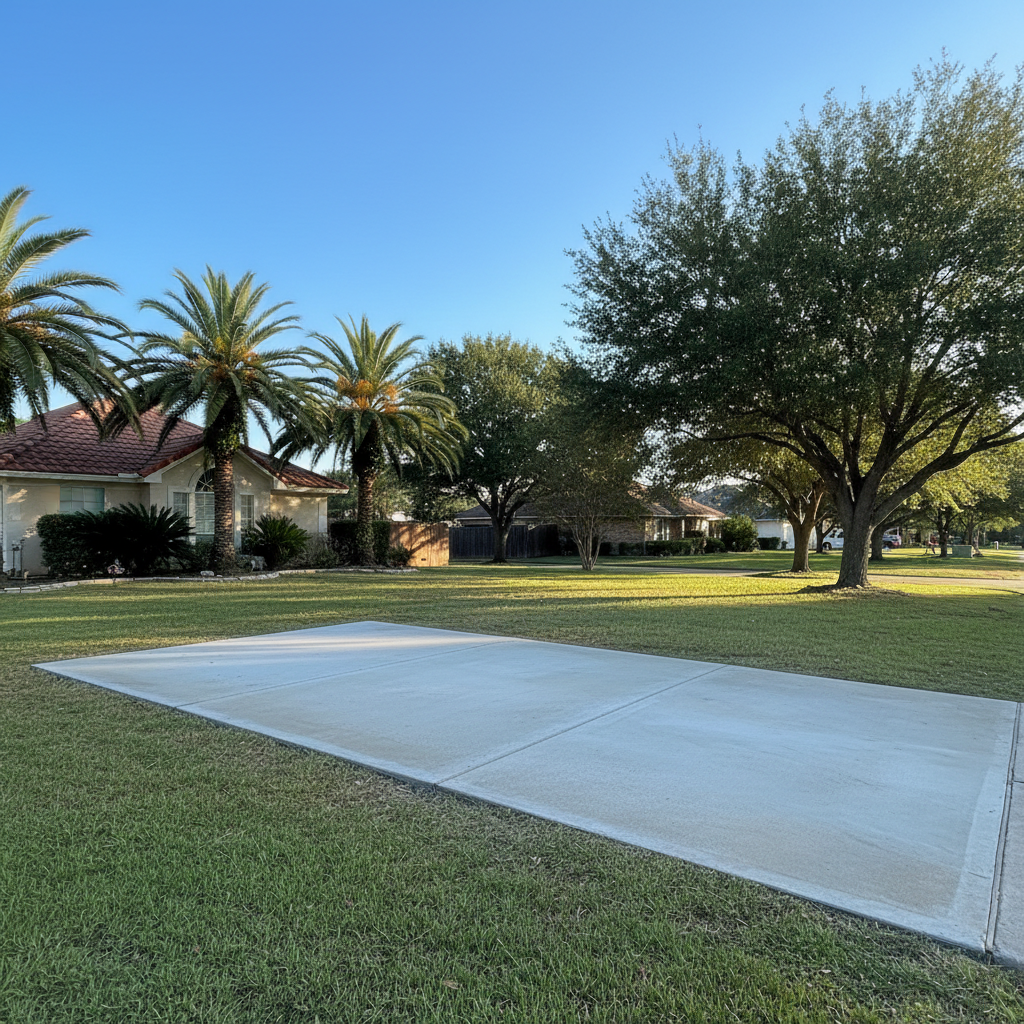
So, you just got your concrete fixed up, maybe a new patio poured, or that driveway finally taken care of. Awesome! Now, the big question: how do you make sure that investment actually lasts? Down here in Corpus Christi, our concrete really takes a beating, and believe me, I've seen it all. We're talking relentless sun, those sudden heavy downpours, and let's not forget the shifting clay soils we often deal with, especially if you're out towards places like Annaville. Proper maintenance isn't just a good idea; it's how you protect your wallet and keep your property looking sharp.
Make Your Concrete Repairs Last Longer
First things first, let's talk about getting that repair to stick around. When we fix something, we're definitely aiming for it to last, but you've got a part to play too. The absolute biggest thing you can do? Keep it clean. Dirt, grime, and organic stuff like leaves or algae can trap moisture right against the concrete surface. That moisture, especially when it bakes under our South Texas sun, can really speed up wear and tear. A simple broom and a hose? They go a surprisingly long way. For those tougher spots, a little mild detergent and a stiff brush will usually do the trick. Just be careful not to go crazy with a high-pressure washer right after a repair, especially on fresh grout lines or sealants. You could blast away the very thing that's supposed to protect it.
Sealing is another huge one. If your concrete wasn't sealed after the repair, or if it's been a few years, it's definitely something you should think about. A good quality penetrating sealer works like a raincoat for your concrete. It pushes away water, oil, and other stains, making it much harder for them to soak in and cause damage. On top of that, it helps protect against UV rays, which can fade and break down the surface over time. I generally tell folks to reseal every 2-5 years, depending on how much traffic it gets and how much sun it sees. It's a small expense that really pays off big time.
Regular Maintenance: What You Should Actually Be Doing
So, what does "regular" even mean? It's not rocket science, honestly, but being consistent is key. Here's a quick rundown:
- Keep it clean regularly: Like I said, sweep it weekly, hose it down monthly. If you spill something, clean it up right away. Oil, grease, even some drinks can leave nasty stains if you let them sit.
- Check for cracks: Walk around your concrete surfaces every few months. Look for any new cracks, or existing ones that seem to be getting wider or longer. Small hairline cracks are often normal, but anything bigger than a credit card's width could be a sign of something more serious.
- Manage drainage: Make sure water isn't pooling on or near your concrete. Our heavy rains can cause erosion or put pressure on slabs if the water doesn't drain away properly. Check your gutters and downspouts to ensure they're directing water away from foundations and driveways.
- Control vegetation: Tree roots are notorious for lifting and cracking concrete. Keep an eye on any trees or large shrubs planted too close to your patios or walkways. Sometimes, a root barrier is a smart move if you're putting in new trees.
Warning Signs of Trouble
Look, you're not a concrete expert, and you don't need to be. But knowing what to look for can save you a real headache later. Here are some red flags:
- New or expanding cracks: Especially if they're jagged, deep, or running across a large section.
- Uneven surfaces: If one part of your slab is noticeably higher or lower than another, that's called differential settlement, and it means the ground underneath is moving.
- Spalling or flaking: This is when the top layer of concrete starts to peel or chip off. It usually indicates moisture damage, freeze-thaw cycles (less common here, but can happen with certain conditions), or a poor mix initially.
- Pitting: Small holes or craters forming on the surface. This can be from aggregates popping out or just surface deterioration.
- Efflorescence: White, powdery deposits on the surface. It's mineral salts leaching out with moisture. Not always structurally damaging, but it definitely means water is moving through your concrete.
If you see any of these, please don't ignore them. They usually don't just get better on their own.
When to Call a Professional
You know, you can handle the sweeping and hosing, maybe even the sealing. But some things are just beyond a DIY fix. If you're seeing significant cracks, uneven slabs, or widespread deterioration, it's time to call in the pros. Trying to patch up a major structural issue yourself can often make it worse or just delay the inevitable, costing you more in the long run.
When you call Corpus Christi Stained Concrete, we'll come out, take a look, and give you an honest assessment. We'll tell you what's going on, why it's happening, and what your best options are for fixing it right. We're not here to sell you something you don't need; we're here to make sure your concrete is safe, functional, and looks good for years to come. Don't wait until a small problem turns into a huge, expensive headache. A quick call can save you a lot of trouble down the road.